
Introduction
Explore new places is not just a travel goal, and it is a way of thinking that helps to be curious, flexible, and involved in the world. The travelers are open to other perspectives, culture and ways of life when they decide to explore the areas of comfort. Travelling aids people in going out of the usual and living to know the diversity and connectedness of the world.
In the contemporary world, there is no need to travel to additional places or popular places of structure. It involves the discovery of the unofficial parts of the neighborhoods, the unfamiliar parts and the local life experiences that make the place what it is. The tourists who embrace such strategy are likely to make their traveling experience a valuable and memorable one than simply follow the usual routes.
It is a complete guide that is aimed at assisting tourists to explore new destinations without fear and doing so in a prudent way. It is about how one ought to choose the places to go, how to plan in advance and how to communicate with the people and the world in a good and fulfilling way. Being a conscious traveler, every traveling can be an extremely informative and connecting process.
The motive of the need to want to go to new places.
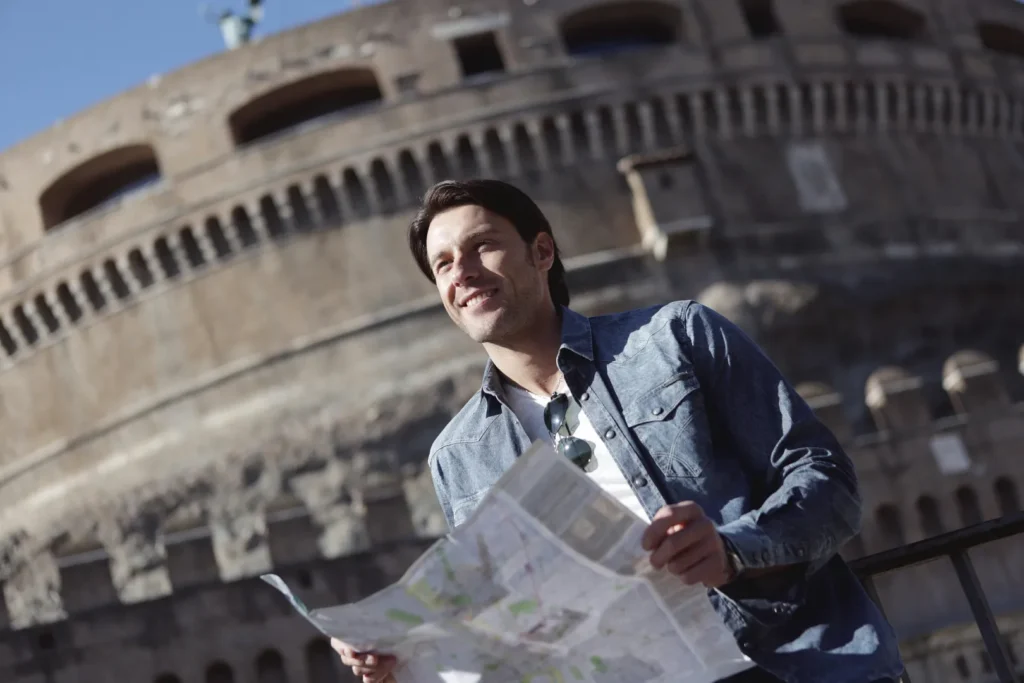
People have the desire to explore new places. Curiosity is what drives people to know about something they do not know and traveling is the only method to satisfy the desire. As soon as a traveler decides to go to new locations, he/she doubts his/her suppositions and opens his/her eyes to the lifestyles and thoughts of other people and their interactions with the world.
Another factor of personal development is discovery. Adaptation to new environment instills confidence, strength and problem solving skills. Travelers learn to adapt to change, communicate with other people in different cultures, and make their own choices. Such skills often can be applied to the real life whereby they influence how individuals approach their life issues in the home and in the workplace.
Travel aids the avoidance of apathy and cultural blindness. The travelers are able to experience diversity because they are exposed to different traditions, social norms, and values. The exploration will enable one to understand and admire one another that improves the global awareness and personal growth as opposed to viewing the differences as a challenge.
Exploration also has an emotional advantageous side to it. The new environment is fascinating and inspiring. The majority of travelers think that going to the new places can restore their motivation, stimulates their imagination, and provides them with the understanding of their personal purpose and priorities.
Lastly, the desire to sightsee new places is an indication of being ready to learn and grow. Any journey makes the worldview of any traveler richer and creates impressions that will alter the perceptions of its owner even after he/she returns home.
The choice of the new destinations to visit.
Choosing the place to explore may be overwhelming given that there are numerous places to explore. The most successful exploration is related to the correlation of destinations and personal interests, values and the purpose of traveling. Making the right decision with due care will result in more valuable experiences than making the one that is popular.
The initial one is knowing what you are passionate about during travelling. Some tourists become attracted to culture and others go to see natural beauty, adventure or rest. Identifying such preferences enables the reduction of options and ensures that the place chosen is of the type of experience you would like.
Research plays an important role in destination selection. Education of the climate, safety, and accessibility and local practices can also help the travelers make their decisions. Reliable data reduces doubts and allows the travelers to be psychologically and practically ready to unusual conditions.
Timing is the other very important factor. Crowds, weather and expenses are seasonal. Such an opportunity to travel during the hours of less traffic may also provide an opportunity to learn more about the local life and move at a more leisurely pace, which is much easier to familiarize with new places in their natural environment.
Travel, does not always concern transcontinental travel. Areas, townships and off-the-beat areas are usually special. In choosing destinations due to curiosity but not distance, it enables the travelers to add value to the un-planned destinations.

Preparing to Travel Wherever You Want To.
Preparation is the only way that a person can go about new places without being stressed. Even though spontaneity can be thrilling, a mere preparation also ensures that the travelers do not need to address issues all the time and are able to have fun. Exploration can only be assured by the knowledge of the destination.
Knowing cultural expectations and societal rules come in handy in the facilitation of the traveler to relate with others in a respectful manner. The simplest details of greetings, the dress code and local etiquette can assist an individual to prevent misunderstanding and form positive relationships. Preparation is a manifestation of interest and reverence and not a privilege.
Planning in the real life is also important. Information such as transport, accommodation, and cost among others will make the traveler move without fear upon arrival. The logistic knowledge will help to eliminate anxiety and allow the traveler to make real-time informed decisions.
Health and safety preparation is another level of assurance. The awareness of where to seek medical care, local threats, contacts of emergency in hands is a relief. Ready travellers feel more comfortable when they are investigating independently.
Mental preparation should also be done. Going to new territories is normally accompanied with the unknown and the unexpected. Being adaptable and tolerant in addressing the obstacles faced by the travelers will help them to adapt and be optimistic in the course of the trip.
Traveling Like a Local to Your New Destinations.
The cultural relations make traveling to be interactive, rather than spectacle. Through adventure, visitors can know how other people live, have fun and define themselves. Culture can be described in the best way possible, which is through the daily experiences.
The everyday life has some good insights in the neighborhoods, local markets and public spaces. The exposure to such environments helps the travellers in the way things are done, the manner in which people relate to each other to have a clear picture of the true nature of the destination as opposed to what is packaged in the tourist spots.
Food is one of the most accessible ways of identifying with the culture. The ones who sample the local food, get acquainted with eating practices, and, finally, read about ingredients, experience an impression of the past and the tradition. The food experiences can be said to have a lasting impression, in connection with a specific place.
Etiquette communication fosters cultural experiences. Listening attentively, attending to, social observation, and asking good questions may help the travelers to build relationships. Even bad language proficiency and courtesy may lead to an encounter.
Culture exploration responsibility also exists. Touring in accordance with the local traditions, strengthening the local businesses and following the regulations of sacred or sacred sites ensure that the exploration activity would not harm not only to the visitors, but also to the local population.
Natural Landscapes and Environments.
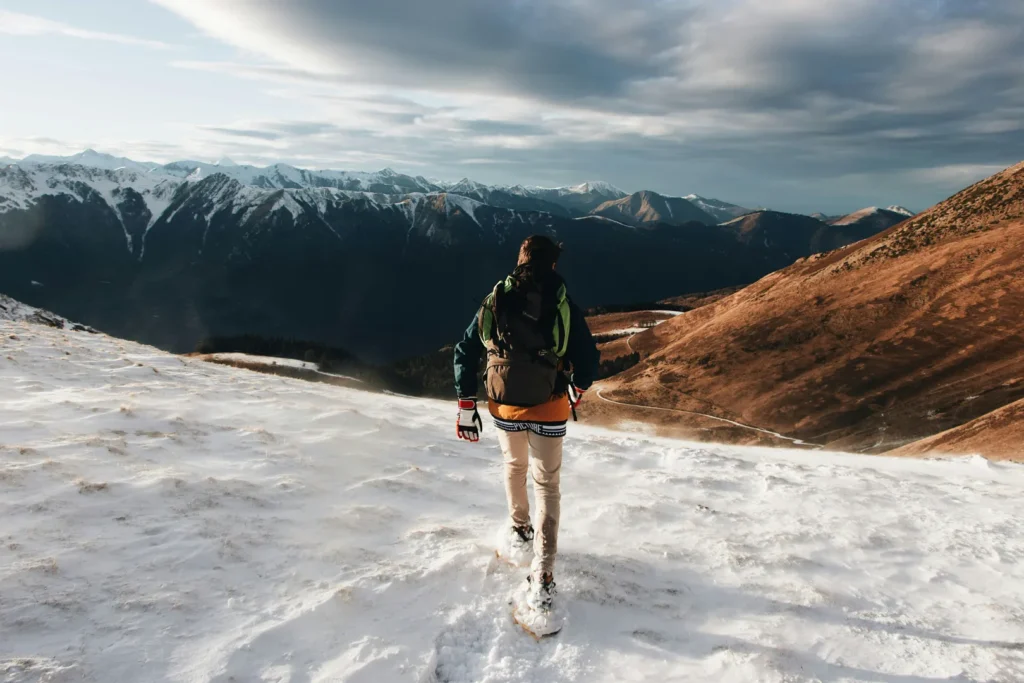
Natural sceneries are highly instrumental in the exploration of new destinations. The topography of mountains, coasts, forests, and desert places the view of how nature dictates the culture and lifestyle. Nature exploration offers serenity, meditation and the higher value of the earth.
Outdoor recreational activities encourage slower modes of travelling. The traveler can explore the places at the speed of a human being by walking around, panorama, and natural parks. Such scenes are rather relief and clarity points.
Exploration is a part of contextual awareness. Exploring the local ecosystems, wild life and conservation areas will lead the travelers to realize what other than beauty is important about natural environments. The knowledge generates respect and awareness.
One should act in a responsible manner in order to explore nature. It is simple to remain on stipulated walks, minimize waste and rescue animals which preserve sensitive surroundings. Prudent activities will ensure the future generations access to the natural places.
Nature exploration also promotes well-being. Time out to a greater level reduces stress, improves concentration and enhances fashionability of traveling. Going to the natural space is often a stabilizing point of the trip.
Discovering the New Destination through the Travel Resources.
Reliable travel information helps tourists to explore new places with information and confidence. The information on destinations, planning and cultural backgrounds could be applied in order to make smart choices during the trip.
Destination books provide a background regarding history, geography and customs. These lessons may lead the visitors to understand their role and the way they can navigate around in a respectful way. Knowledge needs less reliance on guesses and the autonomy is enhanced.
Resource planning is useful in helping the travelers to plan their itineraries, transport and budgets. Planned tours reduce the degree of stress and allow the traveler to be focused on the experience and do not make decisions every minute. Organization does not encourage constriction of spontaneity, but flexibility.
ExploreyHub offers travel advice as a destination-based content and real-life travel to considerate individuals wanting to explore new places. The articles and guides allow passengers to close the gap between realism and inspiration planning when using ExploreyHub.
Travelers might also be helped to acquire experience in the long run with the use of reliable resources. All the trips are simplified since the travelers are more effective when it comes to carrying out their research, planning, and visiting new destinations.
How to cope with the tribulations in Searching.
Such experiences are not always easy to travel and help to develop and get knowledge. Being aware of the obstacles that are likely to arise helps the travelers to be more psychologically prepared and to respond positively in case of any obstacles.
Language barrier can be overwhelming but time and effort will usually have its way. The tools of communication and politeness as well as translation tools and gestures are the ways of closing the gaps and creating the positive interaction.
The misunderstanding may be caused by cultures. Travellers are adjusted by following what the locals do and one should be open-minded. The individual has to be capable of bending and be more humble when learning new cultures.
Travelling is associated with logistical issues such as laxation or changes. Ready travellers are adaptive and identify solutions as opposed to being de-motivated. Having flexibility increases experience overall.
The perspective of scientific inquiry of the problems will transform the difficulties into learning problems. All the challenges overcome enable one to be confident and bring depth to the traveling experience.
Conclusion
Travelling does not mean going around but substantive communication. Curiosity, preparation and respect give the travelers a chance to make their journeys an experience that builds knowledge and strength of association. Finding is receptive to learning of all kinds.
In the selection of the destinations and providing proper planning can assist the travellers to explore other destinations in their tour without fear. Having the knowledge of cultural and environmental backgrounds brings pleasure and reduces stress.
The resources such as ExploreyHub are valuable to the travelers as they offer information and advice to their locations. The traveler can plan his/her trip to the destination and learn new dimensions with the help of reading such content on ExploreyHub.
As new destinations are accessed by the tourists, there is new experience with new confidence and curiosity. Travel is a life long learning process rather than a journey of personal journeys.
Open-minded and obliged, the tourists will be able to be taught to think their world in more exploratory dynamic which is not only enriching but also respectful and also, quite rewarding.

