
Introduction
Place exploration does not presuppose visiting a strange place and continuing. The intelligent and sensible way of travelling is that it causes the travellers to take their own time, to be mindful and conscious of the worlds into which they are going to. With the focus on exploration, as the tourists, they are more interested in the context, stories and the daily life, and not just in the sightseeing spots. This will enable the destinations to be more of a living than a background.
Another pace of traveling in the world where traveling is usually hectic and highlights-focused in the shortest time possible is place exploration. It presents a challenge on tourists to take some time to discover the areas, sceneries and cultures. The fact that the visitors will be able to explore the places at a deeper level, the visitors will most probably discover that the banal could be remembered and significant. Exploration transforms traveling to a connector experience and not a consumer experience.
The long-form tutorial has elaborated the theme of the place exploration as the place exploration role in meaningful traveling. It trains on the art of destination selection, nature and culture immersion and preparation of traveling, and responsible travel. Exploring the world through exploratory attitude to places provides a deeper way of exploring the world and finding satisfaction with it.
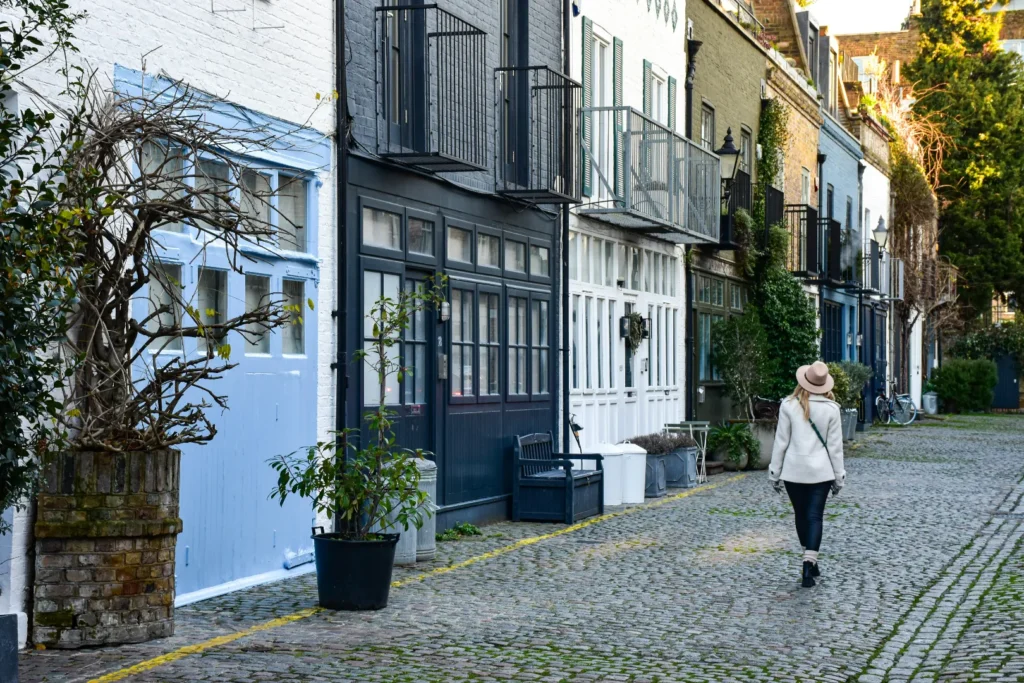
The Core to Learning the Core Exploration of Place.
The initial impetus to place exploration is interest in how a place operates, other than the tourist vision. All places are influenced by history, geography, the climatic conditions and the social dynamics. The interested and those willing to know these things fall in love with destinations. Inquiry instead of the question what to see is how people live, and why a place is the way it is.
Attention is one of the attributes of the place exploration. The tourists observe the manners, construction, language and social life. Such awareness unveils some connection which is not perceived by the visitors who are rushing. With the passage of time, the tourists start to understand that every destination has its rhythm and should be followed.
Context is also important in place exploration as opposed to checklists. The travelers do not visit as many places of interest as they can and just listen to few places of interest that can provide them with an insight. This will decrease burnout and enhance satisfaction. Quality is also another measure of a successful trip that replaces the quality.
Humility is also another important thing. The place explorers in traveling know that they are visitors. They also go about new circumstances with a level of respect and listen rather than talk and see before they act. Such an attitude leads to correct relationship and understanding.
Fourth and finally, traveling is a learning process in that it entails exploration of a place. Any location can be turned into a possibility to broaden the horizon instead of creating memories.
The selection of New Places as far as the Place Exploration is concerned.
The choice of places exploration destinations is not an eventual occurrence. The travelers enjoy the advantage of considering what they want to learn or experience instead of just selecting the locations, depending on how popular they are. These meaningful places are associated with interests of one such as culture, environment or community life.
The cultural tourists can visit these places where the local culture and life can be studied and experienced as readily as possible. The smaller cities and towns and areas are those in which more opportunities are afforded of witnessing the actual routine without the thick veil of tourism. Honesty is cultivated in such environments.
There is more influence by landscape that can attract nature-friendly travelers to explore the place. The hills, shores, deserts and the countryside echo on the impact of the environment to the lifestyle and principles. These tourist attraction sites assist the tourists in appreciating the connection that exists between nature and the human being.
Place exploration may also be utilized as an exercise by urban explorers by looking past iconic landscapes. Mostly neighborhoods, open spaces and even local markets present an ultimate image of a city as compared to even some special attractions. The cities are not awe-inspiring places but overlay spaces.
It does not require traveling long distances in order to explore. The environs and under-rated locations may prove to be an extremely deep experience as long as one would desire to immerse at that. It is rather a matter of attitude and not distance.
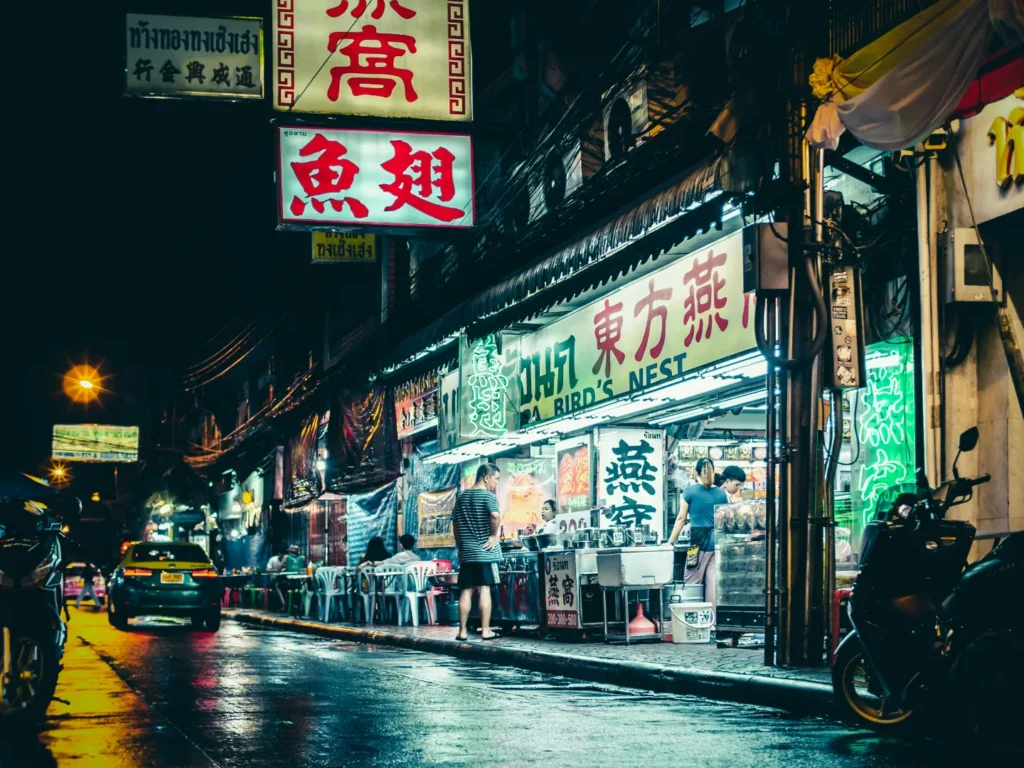
Training; learning how to prepare Place Exploration Mindfully.
There should be some form of preparation to put exploration. The medium level of planning dispels anxiety and enables the travelers to concentrate on socializing as opposed to planning. The social and cultural background of a destination is one of the most important backgrounds, which should be understood.
Better to know about the local culture, values, etiquette so that the travelling people can identify with the locals in a highly respectable manner. The interactions will be enhanced even in simple interpretation of the greetings, clothes specifications and social mannerism. Preparation is open minded and respectful as opposed to entitlement.
The real life training would include the questions about the means of transport, places of accommodation and cost per day. The understanding of the functionality of a given place will enable the tourists to move without any hesitation. It is not a rigid planning, but a flexible one with this type of preparation.
Preparation is also related to health and safety. The knowledge of the access to healthcare and risk factors, the emergency response will be something to relax. Ready travellers will be ready travellers who will be willing to explore the new environment.
Mental preparation is also a requirement. Place exploration is unpredictable and uncertain. Flexibility and patience will assist the traveling person to react favorably to situations that he or she has not envisaged.
Familiarization with the local culture in the field.
It is everything about exploring the culture in place. Associating with the culture of the place makes travelling a worthwhile experience as opposed to a field one. As respectful people, the travelers can learn facts about values, traditions, daily life that characterizes a place.
The cultural experiences that are common are the ones that are in the real life situations. One can see the lifestyle and socialization of the people in the market place, cafes, the transport area and the streets. By visiting such locations, tourists can be able to witness rituals that represent local identification.
Food culture is considered as one of the most open gate ways to culture. Local foods are aged, hazy and ordinary. Education on food materials, styles of cooking and food cultures comes along with the information on traditions and values of people.
Cultural interaction involves communication. Active listening, social monitoring and posing effective questions can build trust. The lack of language skills and good will can also lead to fruitful communication.
The other enormous consideration is to give the local business preference. This is through ensuring that besides tourism positively impacting the communities directly, it has a long-term impact by ensuring that it is made to stay in locally owned accommodation, restaurants and services.
The Natural Environment Exploration of Places.
Natural sceneries are used in the exploration of places. Scenario influences culture, economy and routines. Wisdom of nature will enable tourists to be familiar with the areas outside the cities.
Place exploration is a kind of exploration which is based on nature hence promoting slowness in travelling. The hiking trails, walks along the shore line, woods and open spaces also bring about the aspect of reflection and existence. These are usually experiences that reverse hectic schedules and help in mental health.
Knowledge helps one to appreciate the local ecosystems. The tourists can also be exposed to the wildlife and agriculture and about environmental issues and through this means they can learn how the community communicates with nature. Prudence promotes courtesy and uprightness.
One is forced to relate to the nature in a sustainable way. Remaining in the correct tracks, reducing wastes and wildlife viewing leave a vulnerable environment. Most of the destinations rely on ecological balance in order to exist.
Travelling or touring that is nature oriented is more likely to result into effects of memory as it is nature attracting. Hiking and spending time outdoors are metamorphosed into a part of the experience.
Exploring Places to Visit Cities.
Places are explored in complex city settings. They are painted over with the layers of history, movement, invention and existence. City knowledge is also an advantage to the travelers as they desire to avoid the tourist hot spots in order to enjoy authenticity.
Urban destinations are characterized by the discovery of the neighborhoods. Every district has a general manifestation of different histories and people. The city has various neighborhoods that one can become familiar with by visiting them.
Social life can be determined through the analysis of such places as parks, squares, and waterfronts. The manner in which locals use such areas should be noted so that the visitors can know about the culture and lifestyle.
Culture is another result of city development. The architecture, street art and food trends have tradition and modernity. Such aspects make the movements in the cities more enjoyable to the tourist.
Curiosity is paid during exploration of the place that is realized in the urban setting, and people who are purposely wandering are more likely to experience something intimate, which seems more unique and memorable than a feature.
After DI Place Touring: Dynamism in the Following.
The events of traveling are generally full of disappointments and agility. The psychological training enables the travelers to react positively and peacefully when the issues arise.
The prevalence of language barrier is also common and can be handled. It is likely that the spaces of the communication will be taken by the gestures, translation of the materials, and respectful communication that will result in the understanding. The fluency is not always what is important, as much as effort is.
Because of the differences in the culture, confusion can occur. On the one hand, adaptation can be done appropriately by watching and by being open minded that can lead to adaption of travelers. The needed skills are that of flexibility and humility.
The unforeseen delays, closure or weather problems in transit demand flexibilities. Solution based travelers would probably end up turning the disappointments into superb narratives as opposed to trying to create the stories.
The hurdles are seen as the part of the pathway that aids the travelers to have good time in as far as growth is concerned as a byproduct of exploring places.
Conclusion
Exploratory place can be the effective method to explore new locations in a curious, admirable and meaningful manner. Place exploratory travelers do not have to rush and see places, as opposed to them they are interested in knowing and relating. This plan transforms travelling into a growing and fulfillment process.
When you travel, you will be certain to find out with a lot of interest and integrity with proper planning and destination choice done carefully and good inquiry made on the nature and culture. Being responsible will improve the fun other than the salvaging of neighborhoods and environment.
Some of the resources that the travelers can use include the ExploreyHub that would instruct the travelers on the destinations and tips helpful to them. To plan adequately and formulate goals of exploring a place, it will be more appropriate to read the materials in ExploreyHub that may be devoted to a particular place or region so that the traveler might possess the data about this very place.
Exploration of places is a philosophy and not a one-time journey as soon as people start traveling. The expeditions are all characterized by knowing, curiosity and fearlessness.
Through travelling, the traveller can explore the world in a very enriching, respectful and very fulfilling manner.

