
Introduction
Cultural travel experiences enable the traveler to explore the new destinations, in a completely different way that goes well beyond sight seeing. In contrast to the old concept of visiting the tourism places, the strategy is offered to knowing what people live and how they socialize, eat, and preserve their culture. Such an interaction between the locals and the travelers render destinations as a living space that is constituted by the past, culture and daily practices as an opposition to the space as a fixed place.
With the growing number of travelers who can enjoy international travel possibilities, they are demanding more of their adventure. Connection and context are the solutions to this requirement that cultural travelling experiences have. They urge the tourists to travel at a slow speed, sightsee, hear and engage in ordinary daily life of destinations they are touring in an admirable way. This kind of travelling gives sympathy and understanding and leaves a memory of the experience not just by the photos but on human communication.
It is a detailed guide on how cultural traveling assists the traveling persons to explore the new places with the intent and confidence that they have. Food preparation and attitude, customs, communication and long-term self-development of the personality, all the sections of the book give a good bit of advice to a traveling man who does not just desire to be learned but to be respectful in his travelling.
The notion of what cultural travelling is about.
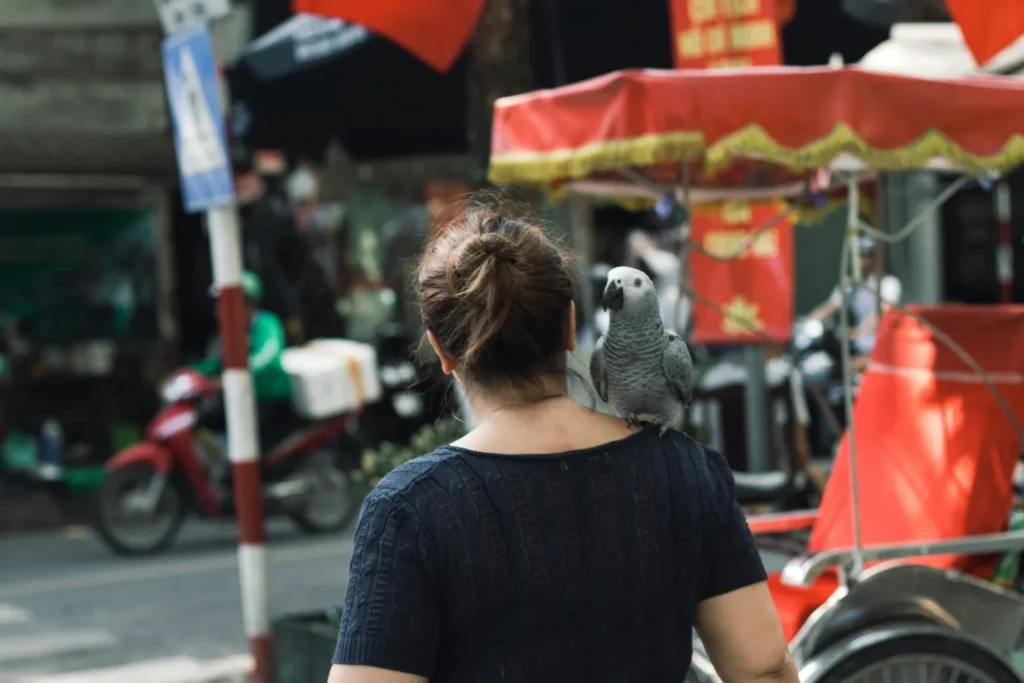
Travel is an experience that is cultural and also based on immersion rather than observation. They entail participation within the practices, beliefs, social norms as well as the daily activities, which form the identity of a group of people. Cultural travellers are travellers interested in discovering the lifestyle of people as it exists against the locals.
Such traveling is rather more about learning than consumption. Rather, the travelers will not be in a hurry to get to the attractions and they will be exploring the neighborhoods, markets as well as community places. These settings provide a glimpse on how the course of history, geography and values determine the lifestyle of the day.
Cultural travels should also make one humble. The traveler recognizes the fact he is a guest in the world of another man. Such attitude helps in respect, tolerance and accommodation to difference.
The cultural travelling experiences can contribute to making the travelling experiences more meaningful than a travel schedule since the travelers consider exploration to be a state of mind rather than travelling schedule.
Why cultural travelling will improve your search of new destinations.
The sense of the touring experience in visiting new places attained through cultural involvement gives the experience an emotional fulfillment. The points will be customized since the traveler will interface with the locals, customs, and everyday living. They are some of the experiences that are likely to be recalled.
This interpretation depends on the cultural setup. The historical sites and scenery are reported to be meaningful when the tourists understand how to make a contribution in the life of the community. This is a fact that cultivates improved appreciation and relationship.
The cultural travelling experience also promotes slower travelling. The more time the traveler will be staying in the specific location, the more tendencies the traveler will see, become familiar with them and break certain ties at least in the short-term.
Discovery of new destinations is a process that is participatory by the human experience as opposed to sightseeing agenda by immersion in a culture.
Getting ready before cultural travels.
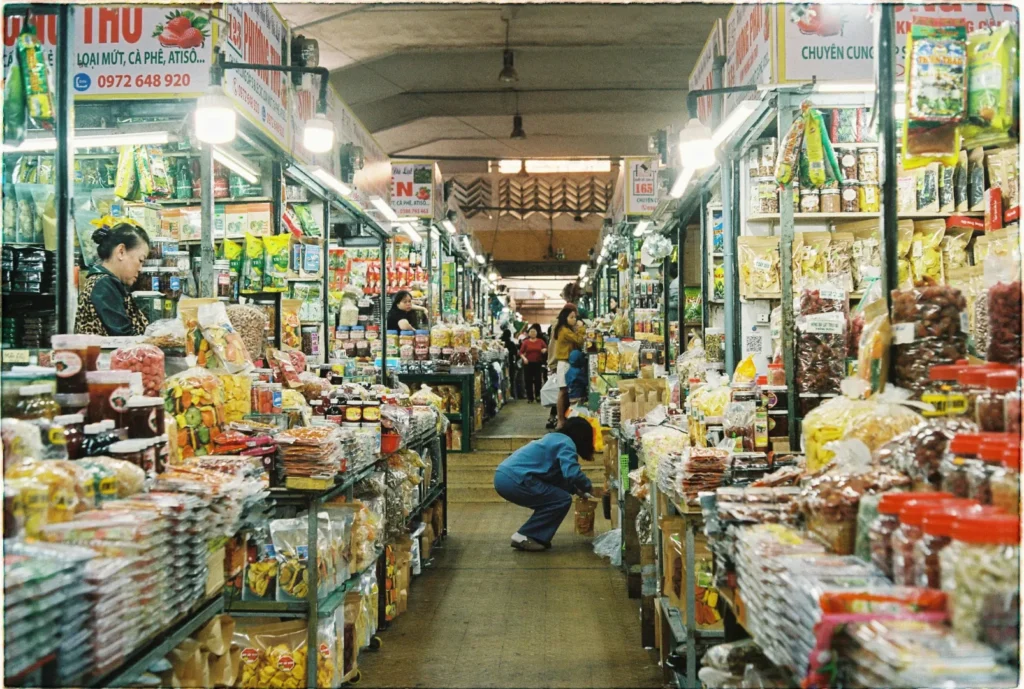
Interaction in terms of cultures should be done respectfully. It is only good to carry out some research on the customs, etiquette and social conventions that could be utilized to avoid the development of misunderstandings before the traveler finds new places through the experience of the culture.
The most suitable one is language preparation. The familiarity of the basic greetings and sentences is a sign of respect and most of the times, the familiarity softens the relationship. The goodwill can be established without the most effort.
Behavior is also dependent on the knowledge of the cultural values. The time and space attitudes, communication and hierarchy style is different. The enlightenment allows the travelers to blend in.
Reflective planning will help the travelers to venture into new places with much confidence and with high dignity and that is when the new positive experiences will start.
Selection of the sites which facilitate cultural experiences.
The cultural traveling has been found out to be comfortable in some destinations than others. There are other instances where smaller cities, towns and regions have a more access to the daily life as compared to the highly tourist lot.
The means of interaction avenue are developments, which are highly local in identity and which are considerably preserved in terms of traditions and communal spaces. The customers have an opportunity to experience and enjoy habits in a way that is natural.
Availability: This is also important. Exploration and interaction are possible because of walkable neighborhoods, mass transportation and local markets.
The places selected by the tourists are not random, and it is what predetermines the unique cultural interactions.
Residing in hostels that are connected with the local living.
The accommodation decisions are highly delicate in the cultural exposure department. The beauty of cultural traveling is that, the individual will be staying in guesthouse, homestay or small hotel that is owned by the society.
These accommodations are mostly emulative of the local architecture, values and norms of hospitality. It would also enable hosts to provide information and recommendations, which would not be available in the mainstream.
Location also matters. Being in any non-tourist yet residential locations puts a traveler in the aspect of lifestyles, such as morning and night outings.
Accommodation, which is culturally related, assists the traveler to learn new destinations as an active participant and not a passive observer.
Travelling to new locations that make use of a normal practice.
The local life is characterized by the everyday activities. Such tourists who visit new territories with the aim of undertaking some normal activities can be exposed to how communities are managed.
Going to a local market, taking a ride on a bus or walking around a particular area will offer one a chance to study interactions and social norms. Such experiences would have some context to provide that the traditional tourism is not providing.
Habits facilitate being. The most ordinary activities like shopping or having a morning cup of coffee become one of the biggest cultural experiences.
The travellers can experience the destinations on the basis of the grounded and real experience, which the travellers get out of the daily activities.
Cultural tourist experience: food traditions.
One of the best cultural bridges is food. The cultural travel experience will normally start at the local food where history, geography and tradition intersect.
Ingredients, the way of how the dishes are prepared and eating habits can be followed as indicators of the cultural values. Foods have the sign of social organization, feast, routine.
It promotes communication in the local restaurants, markets and street food areas. Speaking about food will most probably result in sharing and bonding.
It is also through food traditions that the travelers get to learn about new places, through an experience, conversation and taste.
Holiday and festivals of culture.
Cultures are pronounced during the festivals and celebrations. The cultural tourism activities are also significant in promoting right participation in such activities.
These meetings are emotional indications of common values, history and identity. The manifestation of communities is in form of music, dress, rituals and communal activities among others.
The tourists should uphold the right culture and limits. Niceness in communication is achieved with preparation.
The festivals enable the tourists to discover new destinations in cases of shared meaning and celebration.
Culture travel and listening communication.
Not everything that is good communication is language. Cultural tourism focuses on listening, observation and flexibility.
There is a propensity of tone, nonverbal and context to bring a meaning. The travellers are observant of the social life.
Listening and good questions are means of developing trust. Civil investigativeness tends to be embraced.
The experience that tourists arrive at is acquired through communication and listening instead of forcing assumptions.
Responsibility, ethics, and respect.
Respect is one of the key issues in cultural traveling. As a tourist, one has to be aware of the implications that he or she has on the societies that he or she pays a visit.
Conscientiousness is the willingness to help the local business, to adhere to the traditions, not to exploit. These decisions are good in destinations.
Cultural sensitivity also implies that the individual must not be stereotypical or should be conscious of the power relationship.
Responsibility enables the travelers to visit new destinations in a sustainable and responsible manner.
Cultural touring and self-development.
It is reasonable that to be engulfed in the overall culture will change the person. The travellers are more understanding, open and generalizing.
It is a process of making and gaining confidence through adaptation to new cultures. Every contact is an experience of learning.
Reflection deepens growth. The self-awareness is enhanced by the thought of the experiences challenging the assumptions.
Cultural travelling experience has led to the new destinations being a self-journey.
Cultural experience and individual tourists.
Individual travelling is also done differently to achieve cultural contacting. Individual tourists are likely to internalize the surrounding which is local to the location they are visiting.
Independence promotes intercourse. Individual passengers can better socialize with the locals and even have a sightseeing.
The planning is a way of guaranteeing comfort and security. The reason is that the knowledge of the cultural expectations will ensure that the lone traveler will be in a position to find his way without any complications.
Cultural travelling experiences ensure that the solo travellers are associated and self confident.
Travelling and Cultures Group Travelling.
The cultural immersion can also be achieved even in the case of group traveling in the instance that they are carried out in a considerate way. Group interest is where experiences are added.
Cultural differences among groups can be overcome amicably through communication. Setting of expectations in the same track assists in harmony.

Conclusion
Cultural travelling experiences come in handy in transforming the manner through which individuals explore new destinations since they are likely to focus the attraction tourism but rather the meaningful human contact. Curiosity, preparation, and respect help travelers to study a community and destination in greater detail.
The style makes the travelling process more complete in terms of meaning, empathy and contexts. Travelling is made an experience and sharing of impressions rather than attraction places listed.
The ExploreyHub provides the destination information and travelling tips, which are geared towards the necessity to study the culture. The travelers are able to organize more authentic and respectful trips with the assistance of the already existing resources on the ExploreyHub.com.
With the development of travel, cultural tourism experiences are yet to be considered as one of the most effective methods of exploring new places in a purposeful, conscious and long-term manner.

