
Introduction
The most important resources that any individual will need to know more about the art and science of traveling planning are the use of travel guides. It is a list of places to see, these detailed manuals are there to give strategic maps that will help the traveler make their wise decisions and bring their trips to a new level. Travel guides equip the contemporary explorer with the means and expertise on how to make outings memorable that will be recalled long after the tours have been successfully accomplished either on arranging a weekend tour or a journey to a different part of the globe.
The importance of travel guides lies in the fact that they simplify the complex data to the format that can easily be understood and applied to make more intelligent choices. Their content is genuine, edited, and not superficial advice that contains the culture, logistics, safety, and the price. Travel guides are treasured friends to the tourists who desire to explore the world in the wisest way which transforms lack of confidence to confidence.
With the world becoming global and international exploration being experienced, travel guides have been modified to meet the new demands and challenges. The guides in the contemporary world are accompanied by digital developments, real-time updates, interactive nature that makes them livelier and user-friendly than before. The article transports us to a new plane of tactics of exploiting the travel guides, explains the little known about the planning in detail and gives the special insight of the experts so that the travelers can extract the optimum out of any trip.

How to choose and use the right travel guides.
The choice of a correct travel guide can influence dramatically how a trip will be conducted. Not all guides are as thorough, authoritative and detailed and possession of information as to what to seek would save the traveller in the event of misinformation and misunderstandings which bad guides are likely to mislead him or her into. The good travel guides ought to be more precise, topical, and easy to use and ought to be developed according to the various travel styles and preferences.
The elderly tourists would recommend tour guides that have detailed locations in terms of culture, logistics, food, safety, and seasonal variations. These points of concentration help tourists in making expectations and predetermining what they will find in the real world. Despite the fact that glossy pictures and social media posts can make people feel wanderlust, good travel guides also provide the information that is based on the ground and may be utilized in planning the trip prior to the trip and to make the decisions that can be taken on the ground.
Travel guides are also not in the same format and delivery modes. Some people still find it more convenient to work with printed material with properly structured chapters and reflections, and others can be more inclined to online forms of digital materials in form of interactive maps and frequent updates. These choices are typically guided by the preferences that can be controlled and by the situation of the traveler but with an understanding of the pros and cons of both types the traveler will be able to make a choice of a guide that would only enhance their plans rather than suppress them.
The other problem in the choice of travel guides is that one should take into consideration the sources and experience of the guides. Seasoned travellers, local authorities or good publishing houses are going to appear more authoritative, as they were founded on personal experience and thorough research. With such information, the travelers will be in a position to select their guides not just the informative guide but also a reliable and efficient guide.
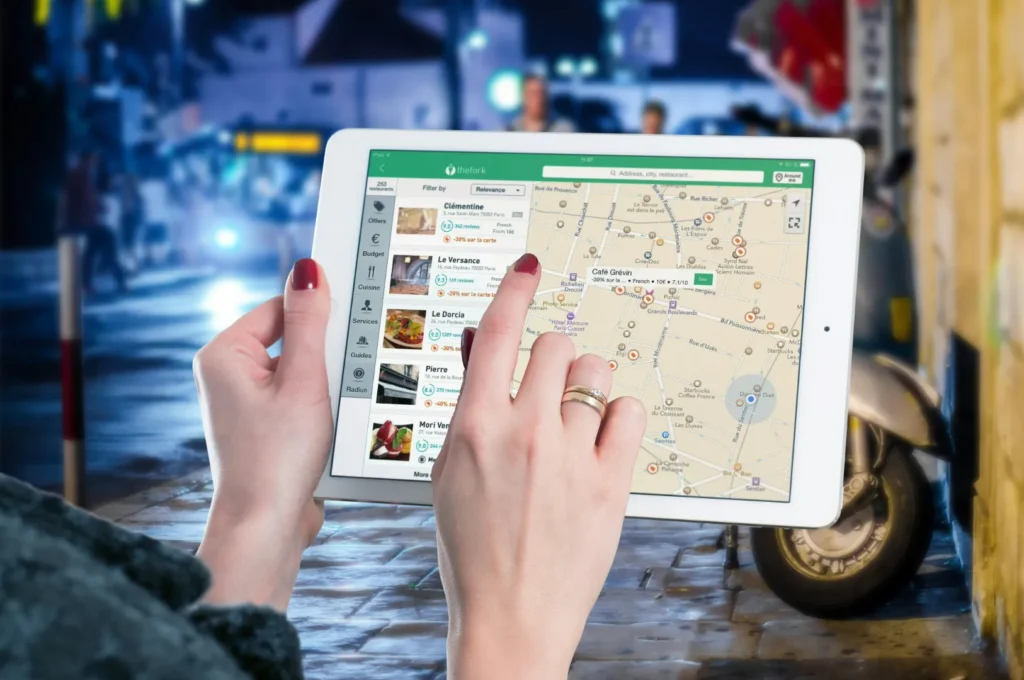
The travel guides were used as the instrument of experiencing the culture.
There is much more than itineraries to travel guides, and they are portals to cultural cloths of destinations. Cultural immersion guide may assist a tourist to learn about the local culture by concentrating on the customs and traditions, social norms, and historical backgrounds of a given destination. This abundance of chances makes the travelers more of a participant and not a spectator.
The tourists learn on how to appreciate the significance of the local festivals, arts, cuisine and daily routine with the assistance of the travel guides which focus on the cultural stories. These are the lessons that could be applied to get away with culture shock and establish civil relations between tourists and the locals. It is the type of traveler that requires meaningful connections that is likely to find that the cultural travel guides is capable of opening his eyes to the world and enhancing the level of empathy.
It is also possible that travel guides will prove in offering tips on how to deal with the culture shock, be it in terms of appropriate dressing or even appropriate language to use. Such data is especially effective when it is necessary to travel to a country with high traditional values or possesses some specific social norms. Understanding and valuing such elements of the culture does not only prevent misunderstanding but also allows experiencing those things that are more authentic than even a tourist will even care to look into.
Moreover, community based tourism activities are encouraged through travel guides that are oriented towards culture immersion by the tourists. Such activities are usually homestays, local workshops and guided tours by the locals. This will help sustain the local economies and will also provide the tourists with a better understanding of the place they are exploring and leave some memories that will be founded on the true experience at the destination rather than the tourist trends.
The role of travel guides in sustainable tourism.
Sustainable travelling is no longer a fringe concept but an emerging trend by conscientious international travellers. Sustainably designed travel guides allow tourists to make choices that cause them to impact the environment and the local populations negatively. These guidelines underline the activities that may be used to ensure that the sustainability of destinations is ensured without interfering with the cultures and the natural beauty.
Sustainability-oriented travel guides do recommend on reducing carbon footprints through use of public transportation, environmentally friendly accommodation, and contribution of money to the local businesses. They also display moral wildlife tourism practices and recommend that the tourists avoid practices that explore animals or destroy their habitat. The approach informs tourists about the effects of their actions on the ecosystems and community wellbeing.
Sustainable travel guides are also concerned with social responsibility in addition to the environment. They provide suggestions on how to be culturally respectful, economically supportive and spend sparingly without discriminating the local communities as the multinational chains. Travel guides lead to a positive contribution to the destinations they visit by the travellers since they promote the same.
The sustainability incorporated in the travel guides informs the travelers to anticipate and counter the potential challenges. These problems as waste management, water conservation and the selection of a responsible tour operator are discussed in practical context which may be direct implementation by the travelers in their itinerary. This renders traveling to provide transformative travel experiences whose legacies are positive in the destinations they travel to.
Sophisticated safety and risk management Travel guides.
The point of safety is the central question of all the travelers, and the high-technology travel guides can be extremely important to inform the explorers of the dangers that can possibly arise. Besides the overall measures, quality guides provide specific safety measures, which are destination specific. These include the information about the domestic legislation, the domestic hazards, domestic medical amenities, and the emergency services which the travelers can access in the area once the need arises.
The well-researched travel guides also include information about negotiating new environments without any difficulties and such issues as travel insurance, personal belongings protection and safe mode of transportation is also presented. They also encourage pre-dispositional activities that reduce the vulnerability to regular traveling risks by the passengers. This type of information will equip the travelers with the real tools rather than certain scholarly warnings.
Travel guides also discuss the way to track the current state of affairs and adjust the plans according to the situation in the destinations (political instability, natural dangers, or health problems). They normally refer the travelers to existing official resources as well as domestic advisories that are current in informational resources. It empowers the travelers to make informed decisions without being unduly anxious and scared.
The highly improved travel guides also attract attention to the traps that a traveler may get into that may include local scam, unofficial service providers and the hidden charges. The recognition of such factors, guides will assist tourists in acquiring the skills to avoid the unwarranted losses and concentrate on safety in their trips.
The orientation in multi-destination travel travel guides.
Multi-destination trips can be considered the special typology of trips, which requires special attention to planning and extensive logistic knowledge. Multi-leg trip transfer guides are designed to be used on the multi-leg trips, with the purpose of helping the traveler to map out on logical routes so as to maximize the time, reduce unnecessary back tracking as well as meet the budgetary constraint. These strategic plans enable traveling in different parts of regions easily and comfortably.
The multi-destination travel guide books will be more inclined to give a comparative overview of the merits and demerits of the different routes and help the travelers to make a decision on what route to use. They may involve the calculation of the prices of the transportation, accommodation alternatives, and schedules that will guarantee a decrease of transit fatigue. This kind of level of planning will ensure that the travelers will manage to transition easily through one experience to another.
The other advantage of having traveling guides in complex itineraries is that cross-cultural shift can be anticipated. Guides give the knowledge on how to adjust the expectation and preparations of travelling between the regions that have different languages, currencies and cultural standards. This helps the travelers to be flexible and culture affirmative in their travels.
Contingency planning plans of the multi-destination trips are also offered by travel guides. These include alternative routes, emergency stopovers and flexible booking suggestions which allows the travelers to make last minute changes to odd situations or situations that arise. This will be very handy especially when there is a need to make long trips that take weeks or months.
date.
Conclusion
The contribution of travel guides remains essential to the world explorers that require further insight of what the world has, confidence, and enhancement of their exploration processes. They offer detailed information that does not just offer tips but they offer culture backgrounds, logistical planning, safety and sustainable traveling that will make each journey worth it. The travelers will have learned the knowledge of visiting the places with curiosity and respect with the help of travel guides.
With the help of these resources, advanced planning problems such as multi-destination travel, budget savings and in-depth cultural experience can also be achieved. The availability of the correct travel paths they can escape common pitfalls of travelling and make better decisions that are founded on the individual likes and principles. Through such preparation, the experience of traveling makes you a list of checklists to a fulfilling exploratory journey.
The digital developments have enhanced travel guides further by using the mobile application, interactive planning and real-time updates that assist the traveler on his or her adventures before and during the trip. Novice or expert travellers can testify that regardless of the changing travel environment, guides are always priceless companions that can be adapted to the changing times.
The travelers can increase their attachment to their destination through the use of travel guides that are more correct, insightful and utilitarian. These guides make journeys to be meaningful and offer cultural sensitivity, environmental literacy and self development. Lastly, travel guides are the initiators of enjoyable experiences that create memory lifetimes and additional travels.

